Carbon monoxide is an invisible, odorless threat, making a dependable detector essential in any apartment with fuel-burning appliances, an attached garage, or nearby heating equipment.
These 10 picks include plug-in and battery-powered alarms, models with digital displays, portable designs, battery backup, and alerts tailored to different household needs.
Best 10 Carbon Monoxide Detectors for Apartments Picks for 2026
Best Plug-In Display Pick

- Plug-in design with 9V battery backup
- Digital LED display and peak-level memory
- 85 dB alarm with 10-year limited warranty
Best For: Apartment residents wanting a plug-in detector with a display
Best Two-Pack Value
First Alert CO400 Battery Alarm
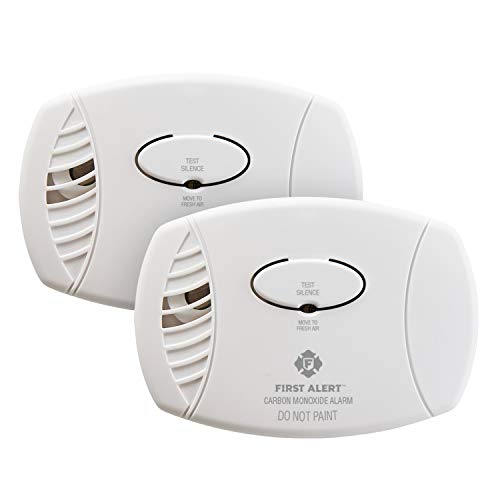
- Includes two battery-powered alarms
- Electrochemical sensor with 85 dB alarm
- End-of-life chirp and five-year warranty
Best For: Covering multiple apartment rooms without using outlets
Best Compact Plug-In
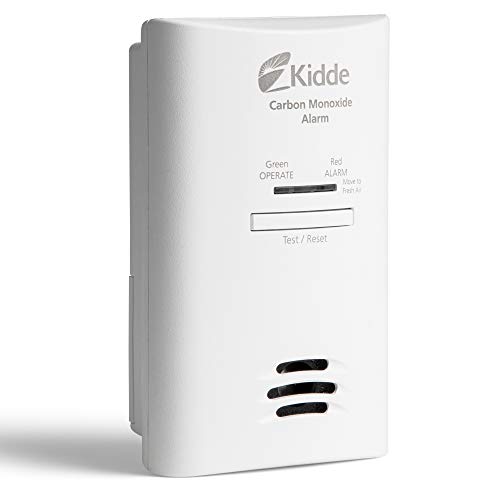
- Plug-in installation with two AA backups
- Test-Hush button for testing and nuisance alarms
- Peak-level memory and 85 dB alarm
Best For: Small apartments needing a simple outlet-powered alarm
Best Low-Level Display
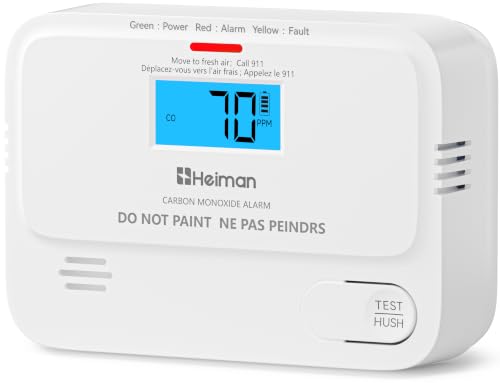
- LCD readings from 20–999 ppm
- 30 ppm early warning plus 85 dB alarm
- AA-powered tabletop or wall-mount design
Best For: Portable apartment monitoring with visible low-level readings
Reliable Plug-In Coverage
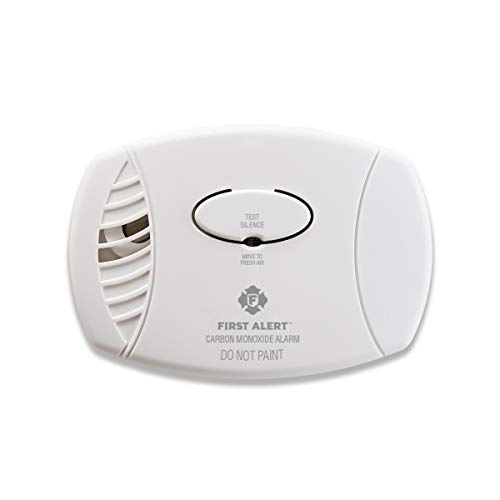
- Plug-in design with battery backup
- Electrochemical sensor and 85 dB alarm
- Seven-year warranty with end-of-life alert
Best For: Apartments needing simple, outlet-powered CO monitoring
Flexible Placement Pick
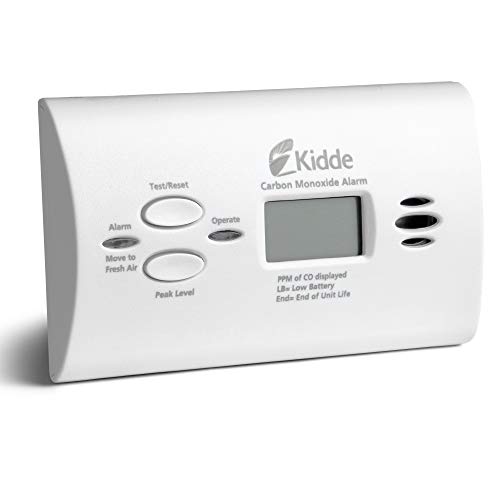
- Runs on two included AA batteries
- Wall-mount or tabletop placement
- Peak Level Memory and LED indicators
Best For: Renters needing portable, no-wiring installation
CO and Gas Protection
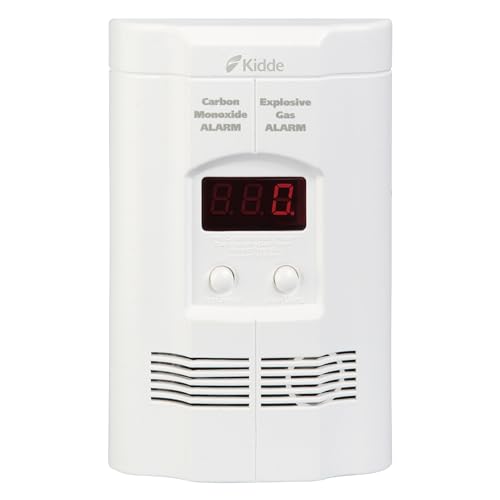
- Detects CO, natural gas, and propane
- Plug-in design with 9V backup
- Digital display shows CO levels or “GAS”
Best For: Apartments using natural gas or propane appliances
Best Portable Pick
Kidde Battery-Powered CO Detector

- Wall- or tabletop placement
- 85 dB alarm with LED warning light
- Includes two AA batteries and a 10-year warranty
Best For: Renters and travelers needing flexible CO monitoring
Best Plug-In Option
Kidde Plug-In CO Detector with Backup
- Plugs into a standard 120V outlet
- Two-AA battery backup for outages
- Peak Level Memory and 85 dB alarm
Best For: Apartment residents wanting simple outlet-based installation
Best Long-Term Protection
Kidde 10-Year Low-Level CO Detector

- Built-in 10-year battery
- Low-level alerts from 30–70 ppm
- Digital backlit display with no low-battery chirps
Best For: Families and pet owners wanting low-maintenance monitoring
Best Plug-In Display Pick – Kidde Digital CO Detector
For apartments with an available outlet, this Kidde is a practical choice among carbon monoxide detectors for apartments. It plugs into a standard 120V outlet, includes a 9V battery backup, and uses a digital display to show sensed carbon monoxide levels.
Best For: Apartment residents who want plug-in convenience, battery-backup protection, and a digital readout.
Pros:
- Digital LED display shows the sensed CO level.
- 9V battery backup continues protection during power outages.
- 85-decibel alarm and peak-level memory provide useful alerts and information.
- Includes a 10-year limited warranty.
Cons:
- Requires access to a standard wall outlet.
- Only one detector is included.
This model balances simple installation with more information than a basic alarm. Its plug-in format may be especially convenient in an apartment, while the wall-mount option adds placement flexibility.
Best Two-Pack Value – First Alert CO400 Battery Alarm
This First Alert two-pack is a flexible option for carbon monoxide detectors for apartments because both units run on batteries and can be placed without relying on outlets. The electrochemical sensor provides continuous monitoring, including during a power failure.
Best For: Apartment households that want two alarms for separate rooms or levels without plug-in installation.
Pros:
- Two battery-powered alarms are included.
- Electrochemical sensor detects CO regardless of room placement.
- 85-decibel alarm includes audible and visual alerts.
- End-of-life chirp and five-year limited warranty support maintenance.
Cons:
- Does not include a digital CO display.
- Battery operation requires ongoing battery replacement.
The two-pack makes it easier to cover more than one location in an apartment. Its battery-powered design also avoids outlet limitations, though it offers fewer status details than a display-equipped model.
Best Compact Plug-In – Kidde AA Backup CO Alarm
Kidde Carbon Monoxide Detector, Plug-in Wall with AA Battery Backup, Test-Hush Button
Check Price On AmazonFor renters who prefer a compact plug-in unit, this Kidde offers a straightforward option among carbon monoxide detectors for apartments. It connects to a standard 120V outlet and uses two AA batteries as backup during power outages.
Best For: Apartment residents seeking a small plug-in alarm with a simple test and hush control.
Pros:
- Plugs into a standard outlet for easy installation.
- Two AA batteries provide backup power.
- Test-Hush button simplifies testing and silences false alarms.
- Peak-level memory records the last detected CO level or test.
Cons:
- No digital display is listed in the supplied specifications.
- Only one detector is included.
This model keeps setup and everyday operation simple while adding useful peak-memory functionality. Its compact form can work well where outlet placement is convenient and space is limited.
Best Low-Level Display – Heiman Mini Digital CO Alarm
This compact Heiman alarm stands out among carbon monoxide detectors for apartments with its real-time LCD display and graded low-level warning system. It runs on two replaceable AA batteries, so it can be placed on a tabletop or wall-mounted without wiring.
Best For: Apartment residents who want portable placement, visible readings, and early low-level CO warnings.
Pros:
- LCD displays readings from 20 to 999 ppm.
- Provides a 30 ppm early warning and an 85 dB danger alarm.
- Tabletop or wall-mount installation requires no electrician.
- Compact design is suitable for home or travel use.
Cons:
- Battery replacement is required during the alarm’s service life.
- Performance is specified for 40°F to 100°F.
- Not intended for garages, workshops, or placement directly under vehicle exhaust pipes.
The display and low-level alerting give this model more information than a basic alarm, while battery operation allows flexible apartment placement. Its stated temperature and placement limits should be followed carefully.
Reliable Plug-In Coverage – First Alert CO605
For apartments where you want continuous monitoring without relying solely on outlet power, the First Alert CO605 is a practical choice among carbon monoxide detectors for apartments. It plugs into a standard outlet, uses an electrochemical sensor, and includes a battery backup for power failures.
Best For: Apartment residents who prefer a plug-in alarm with battery backup and straightforward controls.
Pros:
- Battery backup continues monitoring during power failures.
- Electrochemical sensor is designed to detect carbon monoxide accurately.
- Loud 85-decibel alarm and single test/silence button simplify use.
- Includes a seven-year limited warranty and end-of-life signal.
Cons:
- Requires access to a standard wall outlet.
- Does not provide a digital carbon monoxide level display.
The CO605 is a simple, space-conscious option for adding an alarm near an apartment bedroom or living area. Its backup battery and end-of-life alert add useful reassurance, provided you remember to place alarms on each level and in each bedroom as recommended.
Flexible Placement Pick – Kidde KN-COPP-B-LPM
The Kidde KN-COPP-B-LPM is a flexible option for carbon monoxide detectors for apartments because it runs on two included AA batteries and needs no wiring. It can be mounted on a wall or placed on a tabletop, making it useful for renters and rooms without a convenient outlet.
Best For: Renters who want portable, battery-powered placement with peak-level memory.
Pros:
- Battery operation works during power failures and requires no wiring.
- Wall-mount or tabletop placement supports flexible installation.
- Peak Level Memory records the last detected CO level or test event.
- Green and red LEDs indicate power and carbon monoxide detection status.
Cons:
- Requires periodic battery attention and provides a low-battery warning.
- Its 10-year limited warranty applies to the alarm, not battery performance.
With included batteries, a test-hush button, and portable placement, this Kidde model is well suited to apartment layouts where drilling or outlet access is inconvenient. Its memory feature can also help you review the unit’s most recent detected or tested condition.
CO and Gas Protection – Kidde KN-COEG-3
For apartments with natural gas or propane appliances, the Kidde KN-COEG-3 provides broader monitoring than a carbon monoxide-only alarm. This plug-in unit detects carbon monoxide and explosive gas, displays CO levels digitally, and switches to a “GAS” indication when explosive gas is present.
Best For: Apartment households seeking plug-in carbon monoxide and explosive-gas monitoring in one device.
Pros:
- Detects carbon monoxide plus explosive natural gas and propane.
- 9V battery backup maintains protection during a power outage.
- Digital display shows CO levels or indicates “GAS.”
- 85-decibel alarm and Peak Level Memory provide useful alerts and status information.
Cons:
- Requires a standard 120V outlet for normal operation.
- Larger than a basic CO-only detector, measuring 2.48 by 3.82 by 6.1 inches.
This Kidde model is a strong fit when an apartment uses gas appliances and you want one plug-in device to monitor two hazards. The digital display and battery backup add practical visibility and continuity, while the larger form factor may need more deliberate outlet placement.
Best Portable Pick – Kidde Battery-Powered CO Detector
For apartments where flexible placement matters, this battery-powered Kidde is a practical option among carbon monoxide detectors for apartments. It can be wall-mounted or placed on a table, uses two included AA batteries, and continues operating during power outages.
Best For: Renters, travelers, and apartment residents who want a lightweight detector that can move between home, hotels, or vacation rentals.
Pros:
- Compact, portable design supports wall or tabletop placement.
- 85 dB audible alarm plus LED warning light provides audible and visual alerts.
- Test/Hush button enables quick testing or temporary silencing.
- Meets UL 2034 5th Edition standards and includes a 10-year limited warranty.
Cons:
- Requires periodic replacement of two AA batteries.
- Does not include a digital CO readout.
This is a straightforward choice when portability and outage readiness are more important than display features or a built-in long-life battery.
Best Plug-In Option – Kidde Plug-In CO Detector with Backup
This plug-in Kidde simplifies installation for apartment residents who prefer not to mount a detector. It connects to a standard 120V outlet and includes two AA batteries for backup protection during a power outage.
Best For: Apartment dwellers seeking convenient outlet-based installation with battery backup and peak-level memory.
Pros:
- Installs by plugging into a standard 120V outlet.
- Two-AA battery backup supports operation during outages.
- 85 dB alarm provides a loud alert when CO is detected.
- Peak Level Memory records the last detected CO level or the last test.
Cons:
- Placement depends on an available outlet.
- Uses the 3rd Edition design rather than the 5th Edition listed on the other models.
- Supplied details list an audible alarm but do not specify a visual warning light.
Choose this model if straightforward plug-in installation is your priority and you want backup battery protection without handling wall-mount hardware.
Best Long-Term Protection – Kidde 10-Year Low-Level CO Detector
For households seeking low-maintenance carbon monoxide detectors for apartments, this Kidde model combines a built-in 10-year battery with a digital backlit display. It also provides distinct alerts for lower CO levels and dangerous levels, with features aimed at helping protect children, seniors, and pets.
Best For: Families, pet owners, and apartment residents who want long-term battery operation, low-level alerts, and a digital display.
Pros:
- Built-in 10-year battery eliminates routine battery replacement.
- Low-level alerts begin at 30–70 ppm, with a separate pattern at 70 ppm.
- Digital backlit display helps show CO information.
- No low-battery chirps, plus wall or tabletop placement.
Cons:
- Built-in battery is not designed for user replacement.
- Higher-feature design may be more than needed for basic CO monitoring.
This is the strongest fit for buyers who value reduced maintenance and added low-level monitoring over the simplicity of a replaceable-battery detector.
How We Picked the Best Carbon Monoxide Detectors for Apartments
We focused on practical apartment safety needs: dependable carbon monoxide sensing, clear alarm notifications, convenient installation, backup power, and useful status indicators. The lineup includes plug-in alarms for quick setup near outlets, battery-operated models for rooms without convenient receptacles, and portable options for travel or temporary housing.
We also considered features that can make an alarm easier to monitor, including digital displays, test and hush controls, low-battery warnings, LED indicators, and low-level alert capabilities. Listed certifications and manufacturer specifications should still be verified before purchase, especially when local building codes or landlord requirements apply.
Quick Comparison
| Type | Best For | Key Advantage |
|---|---|---|
| Plug-in with battery backup | Most apartments | Fast installation with continued operation during outages |
| Battery-powered | Flexible placement | Works where outlets are unavailable |
| Digital-display alarm | Monitoring CO levels | Shows concentration or status information |
| Low-level alert model | Households seeking extra monitoring | Designed to identify lower CO readings |
| Combination gas alarm | Homes using gas appliances | Can detect carbon monoxide and certain combustible gases |
Key Buying Factors for Carbon Monoxide Detectors for Apartments
Power and Placement
Plug-in models are convenient, but choose units with battery backup if an outage could disable your heating or cooking equipment. Battery-powered alarms offer more placement freedom and are useful in bedrooms, hallways, and apartments with limited outlets. Follow the manufacturer’s placement instructions rather than hiding an alarm behind furniture or curtains.
Alarm, Display, and Controls
A loud alarm is essential for waking occupants. Digital displays can provide more information than a simple warning light, while test and hush buttons simplify routine checks and nuisance-alarm management. Never use hush mode as a substitute for investigating an alarm.
Certification and Maintenance
Look for recognized safety certification, such as UL 2034 for CO alarms, where applicable. Test each unit regularly, replace batteries on schedule, keep vents unobstructed, and replace the detector according to its stated service life. A detector is a backup—not a replacement for professional appliance maintenance.
Who Should Buy Which Carbon Monoxide Detectors for Apartments?
Choose a plug-in model with battery backup if you want the simplest setup for a typical apartment. Choose a battery-powered alarm for flexible placement, travel, or rooms far from outlets. Choose a digital-display model if you prefer visible readings and status information. Choose a low-level alert model if your household includes children, older adults, pets, or anyone for whom additional monitoring is a priority. Choose a combination gas and CO alarm when your apartment uses natural gas or propane and you want broader hazard coverage.